How to Stop Condensation on Your AC Ducts

How to Stop Condensation on Your AC Ducts

How to Stop Condensation on Your AC Ducts

How to Stop Condensation on Your AC Ducts: Tips from HVAC Experts
How to Stop Condensation on Your AC Ducts

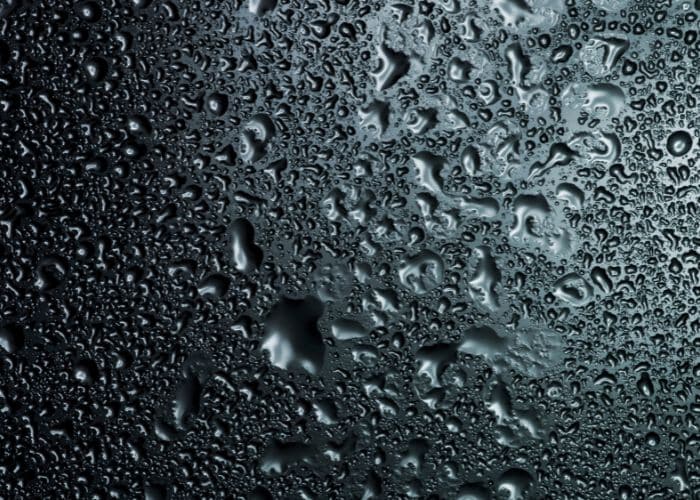
If you’re experiencing condensation on your AC ducts, you’re not alone. It’s a common problem that HVAC contractors encounter. Condensation occurs when there’s a difference between the temperature in your ducts and the surrounding air, causing moisture to form on the ducts’ surface.

The problem with condensation is that if it’s not addressed, it can lead to mold growth, which can be dangerous to your health. Additionally, excessive moisture can damage your ducts, leading to expensive repairs. But don’t worry, we’ve got some tips at Love and Care Heating and Air on how to stop condensation on your AC ducts.

Insulate Your Ducts

Insulation is one of the most effective ways to prevent condensation from forming on your AC ducts. It keeps the temperature of the duct closer to the temperature of the surrounding air, minimizing the chances of condensation forming.

Increase Airflow

When the airflow in your ductwork is insufficient, moisture can accumulate, leading to condensation. To increase airflow, ensure that all your vents are open and unobstructed. Additionally, consider upgrading to a more powerful air filter that won’t impede air movement.

Repair Leaks

Leaking ducts can cause moisture to form on your AC ducts. Ensure that your ductwork is properly sealed to prevent unwanted air from entering or leaving. Repairing leaks by sealing gaps and holes in your ductwork can help prevent leaks and minimize condensation.

Install a Dehumidifier

Humidity can make moisture accumulation on your ducts worse. A dehumidifier can lower the moisture levels in the air, reducing the likelihood of condensation forming on your ducts. It’s an effective long-term solution if you live in a particularly humid or rainy region.

Have Regular HVAC Maintenance

Regular maintenance checks can help identify potential issues and prevent them from becoming more significant problems. Having an HVAC contractor inspect your ducts annually can help ensure that your ducts are appropriately functioning and free of mold and excess moisture.

Condensation can be a frustrating problem, but it’s essential to address it quickly. Ignoring condensation on your AC ducts can lead to expensive repairs and health hazards. Following the tips provided by HVAC experts – insulating your ducts, increasing airflow, repairing leaks, installing a dehumidifier, and having regular maintenance – can help minimize condensation and keep your ducts working correctly. If you’re experiencing condensation on your AC ducts, don’t hesitate to contact our team at Love and Care HVAC to address the issue before it worsens.

HVAC System Diagram

HVAC System Diagram: Everything You Need to Know

HVAC System Diagram

HVAC System Diagram: Everything You Need to Know

HVAC System Diagram: Everything You Need to Know

Are you struggling to understand how your HVAC system works? If so, you are not alone. HVAC systems are complex and can be confusing, but understanding the basics can be incredibly useful when it comes to troubleshooting and repairs. In this blog post, we will break down the components on a typical HVAC system diagram and explain their functions. Whether you are a homeowner, property manager, or a building engineer, this information will be useful to you.

Thermostat

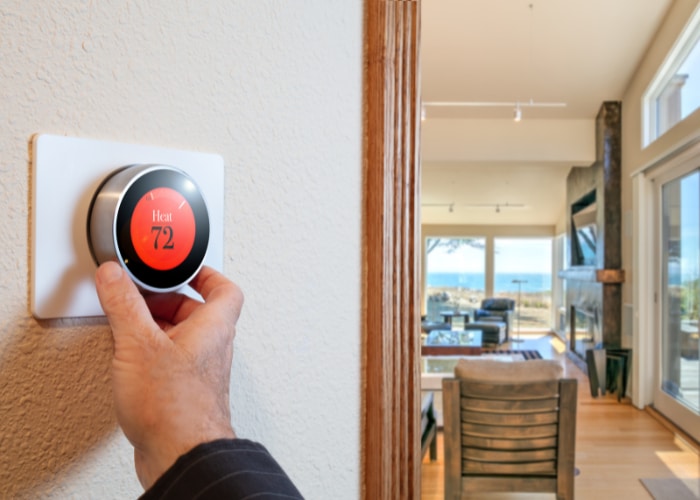
The thermostat is the control center of your HVAC system. It is located on a wall and allows you to adjust the temperature to your desired setting. The thermostat communicates with your system to turn it on or off, regulate the temperature, and ensure that your system operates efficiently.

Furnace

The furnace is responsible for producing heat in your home. It burns fuel (usually natural gas) to produce hot air, which is then circulated throughout your home via a duct system. A furnace is typically located in a basement or utility closet.

Heat Exchanger

The heat exchanger is a vital component of your furnace. It is a metal chamber that transfers heat from the burner to the air flowing through your ducts. If your heat exchanger is damaged or cracked, it can release harmful gases into your home, such as carbon monoxide. Regular maintenance is essential to ensure your heat exchanger is functioning correctly.

Evaporator Coil

The evaporator coil is located inside your air handler unit and is responsible for cooling the air that is circulated throughout your home. It is connected to your outdoor unit via a refrigerant line. Warm air is blown over the cold evaporator coil. This process removes the heat and moisture from the air to make it cool and dry.

Air Conditioner

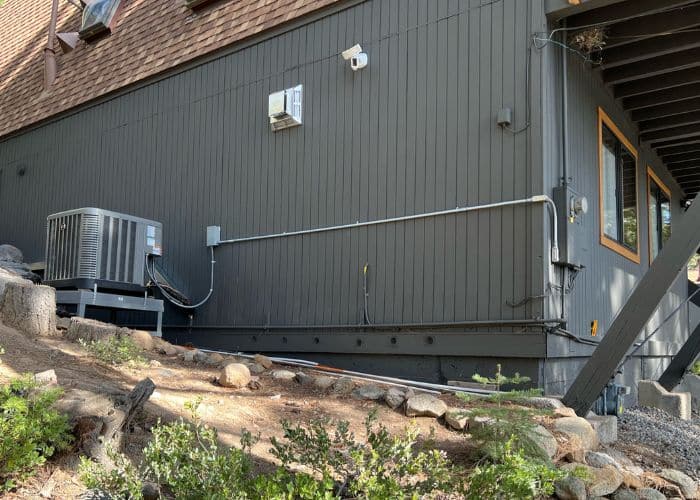
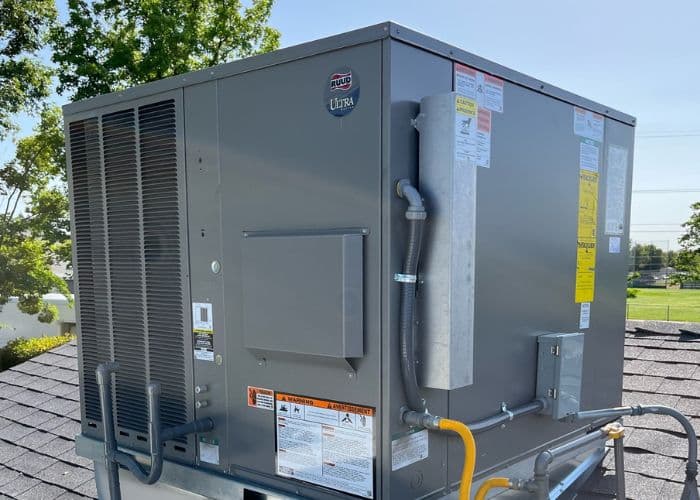
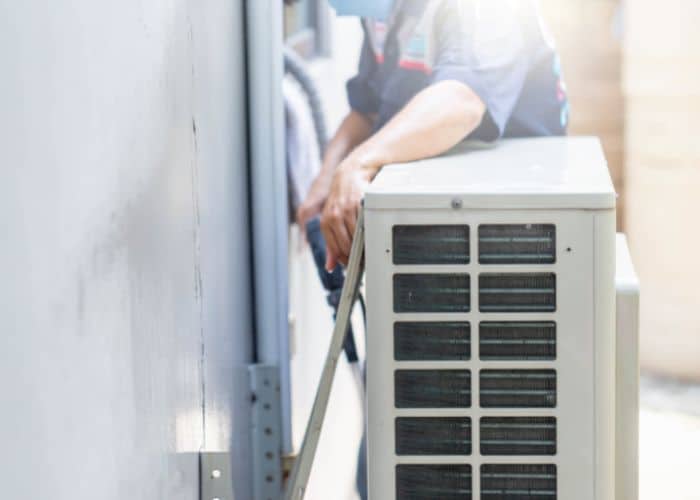
The air conditioner is the outdoor unit of your HVAC system, and it removes heat from the air in your home. It works in conjunction with the indoor unit, including the evaporator coil, to create conditioned air that is circulated throughout your home. A well-maintained air conditioner is essential to ensure energy efficiency and cool, comfortable indoor temperatures.

Understanding the components of your HVAC system is critical to maintaining your system and getting the best performance. Regular HVAC maintenance is essential. Knowing how your system works can be helpful when you need to troubleshoot issues or communicate with HVAC professionals. If you need HVAC service or repair, contact our experts at Love and Care Heating and Air. We serve Sacramento, California, and the surrounding areas. We provide reliable and affordable HVAC services, including installation, maintenance, and repair. Contact us today, and let us help make your home comfortable and efficient.

How Often Should I Change My Home Air Filters

How Often Should I Change My Home Air Filters

How Often Should I Change My Home Air Filters

Warning Signs And Common Problems With Your HVAC System

How Often Should I Change My Home Air Filters

The Importance of Changing Your Home Air Filters: A Guide for Sacramento Homeowners

As Sacramento homeowners, we often overlook one of the most essential elements that can impact our indoor air quality: air filters. The air filters in your home play a significant role in ensuring that your family breathes in clean and healthy air. Along with regular maintenance, changing your air filters is crucial to improve your indoor air quality and prevent allergies or respiratory issues. However, one question that frequently pops up is, how often should I change my air filters? In this blog post, we explore the importance of changing your air filters and how often you should do it to maintain a healthy home environment.

Why is Changing Your Air Filters Important?

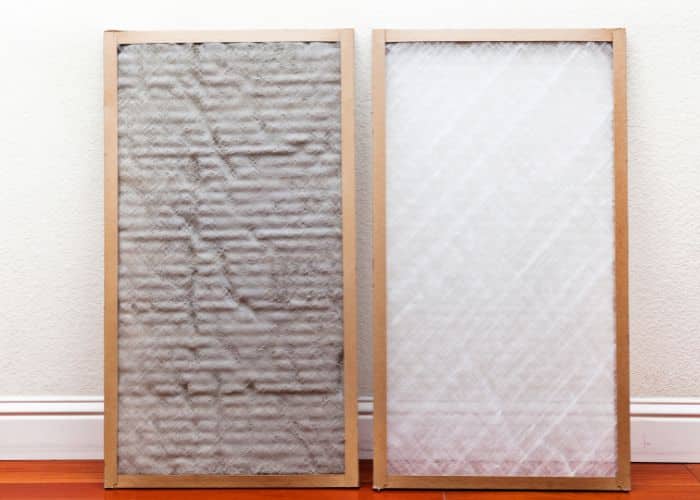
Air filters play a crucial role in trapping pollutants, allergens, and dust particles that can harm your family’s health. Over time, these particles accumulate in your air filters, reducing their effectiveness in keeping your indoor air clean. When your filters get clogged and dirty, your HVAC system has to work harder to circulate the air through your house, which increases energy bills and wear and tear on your system. If you have pets, live in a high pollen area, or have an older home, it is essential to change your air filters more frequently to ensure optimal air quality.

How Often Should You Change Your Air Filters?

The right time to change your air filters depends on various factors such as the type of filter, the number of people, pets, and their activity levels. Generally, you should change your filters at least every 90 days. However, if you have pets or suffer from allergies, you may need to change your filters every 30 to 60 days. If you have a family member that smokes or have a high amount of dust or construction work happening, consider changing your air filters every 20 to 45 days. Checking and replacing your air filters regularly is an essential part of maintaining a healthy home environment.

Different Types of Filters:

There are several different types of air filters that vary in quality, efficiency, and price. The most common filter types include fiberglass, pleated, high-efficiency particulate air (HEPA), and washable air filters. Fiberglass filters are the most affordable option, but they are less effective than other filters due to their inability to capture smaller particles such as mold, pollen or pet dander. Pleated filters are the most popular type of air filter as they are more efficient in capturing smaller particles like pet dander and spores. HEPA filters are the most effective in capturing smaller microbes such as bacteria, viruses, and smoke, making them ideal for those with allergy or respiratory issues. Washable air filters have an eco-friendly design and can be cleaned and reused multiple times, making them a good option for homeowners who want to reduce waste.

Contact Us Today!

Maintaining healthy indoor air quality is an essential aspect of creating a comfortable home environment. Changing your air filters is a simple, yet effective way to boost your indoor air quality and reduce the risk of allergies, respiratory issues and energy bills. While the general rule of thumb is to change your air filters every 90 days, make sure you consider your family’s needs and your home environment. By regularly checking and replacing your air filters, you will create a healthier, happier, and more energy-efficient home. At Love & Care Air, we provide high-quality air filter services to help you keep your home free from harmful pollutants and allergies. Contact us today to learn more about our services and how we can improve your indoor air quality.

How Long Should my HVAC System Last?

How Long Should my HVAC System Last

How Long Should my HVAC System Last?

Warning Signs And Common Problems With Your HVAC System

How Long Should my HVAC System Last

Maximize the Lifespan of Your HVAC Unit

If you are like many homeowners, you have likely asked yourself “how long should my HVAC system last?” Generally speaking, a quality HVAC unit should last between 10 and 15 years. However, there are some factors that can impact the lifespan of your system, including how well it is maintained and how often it is used. Read on to learn more about how you can maximize the lifespan of your HVAC unit.

Regular HVAC Maintenance

The best way to ensure that your system runs efficiently and lasts as long as possible is with regular hvac maintenance. This includes changing filters, cleaning air ducts, testing safety controls, checking for gas leaks, and more. Regularly scheduled maintenance can also help you save money in the long run by ensuring that your system runs at optimal efficiency and does not need any costly repairs or replacements down the line. Many of our customers love our club membership program that allows regular seasonal maintenance as well as priority service.

Choose Quality Brand HVAC Equipment

When selecting an HVAC unit for your home, make sure to purchase a quality brand from a reputable dealer. Quality brands will provide better energy efficiency ratings and longer warranties than their cheaper counterparts. Additionally, quality units are built with sturdier components that are less likely to break down over time. Our team will help you weigh the pros and cons of each brand without bias. 

Consistent Use Of Your HVAC System

To get the most out of your HVAC system, use it consistently throughout the year rather than occasionally running it during extreme weather conditions. Consistent use allows for continuous operation of all components in your unit which reduces wear and tear on individual parts. Additionally, consistent use keeps all mechanical parts lubricated which helps reduce friction and extend their life span significantly.

With proper maintenance and regular use of a quality brand unit, you should be able to enjoy between 10-15 years out of your HVAC system before needing any major repairs or replacements. Keep these tips in mind when buying an HVAC unit for your Sacramento area home so that you can maximize its lifespan for years to come!

Why HVAC Contractor Guarantees Matter

Why HVAC Contractor Guarantees Matter

Why HVAC Contractor Guarantees Matter

Why Guarantees Matter When Choosing an HVAC Contractor

Why HVAC Contractor Guarantees Matter

Investing in a good heating and air conditioning system is one of the most important decisions a homeowner can make. Such systems provide years of comfort and convenience, but only if they are properly installed and maintained. That’s why it’s so important to choose the right HVAC contractor when embarking on such a project. One way to ensure you are selecting the right contractor is by looking at their guarantees. Read on to find out why guarantees matter when choosing an HVAC contractor.

HVAC Contractor Experience Matters

When selecting an HVAC contractor, experience should be at the top of your list of must-haves for any prospective contractors. Experienced contractors are more likely to understand all aspects of your project and have the skillset necessary to get the job done without running into issues down the line. The longer a company has been operating and providing services, the better chance you have of getting quality work done. Many companies will offer guarantees based on how many years they have been in business, so this is something you should look into when researching potential contractors.

Reputation Matters

In addition to experience, reputation also matters when selecting an HVAC contractor. A reputable company will typically offer some form of guarantee that they will stand behind their work and honor any warranties they may offer with their services. Reading reviews from past customers can help give you an idea of what kind of service you can expect from a particular company before signing up with them for your project. Furthermore, reputable companies will also provide emergency services in case something goes wrong after hours or during holidays, which is another consideration when making your selection. 

Love And Care Heating And Air Guarantees

The Love & Care HVAC team guarantees customer satisfaction from start to finish. Customers who choose us can rest assured that they are getting top quality service and products, with a seamless HVAC  installation process. We only use the best parts and materials in our repairs and install processes. Our technicians are highly trained professionals who have undergone rigorous training in order to provide the highest level of customer satisfaction. We also guarantee 100% customer satisfaction with all of our services, which means that if customers are not completely satisfied with the quality of work that has been done, we will work hard to remedy any issues as quickly as possible.

We employ only the most experienced technicians who are well-versed in local building codes and regulations so that customers can have peace of mind knowing their project meets or exceeds industry standards. 

Choosing an HVAC contractor is not something that should be taken lightly; it requires careful consideration and research on your part as a homeowner. One key factor that should be considered is the type of guarantee offered by potential contractors; this will give you peace of mind knowing that your investment is protected against any unforeseen issues that may arise during installation or maintenance processes down the road. Sacramento homeowners should do their due diligence in researching guarantees when choosing an experienced, reputable HVAC contractor for their project needs!

Choosing A New HVAC System

Choosing A New HVAC System

Choosing A New HVAC System

How to Choose the Right
HVAC System for Your Home

Choosing A New HVAC System

Choosing a new HVAC system for your home is an important decision. Not only does the right system make your home more comfortable, but it can also save you money on energy bills in the long run. With so many options available from size to brand we are here to help you make the right choice for your family. While it can be difficult to know which new HVAC equipment is the right choice, we will provide some tips to help you make the right choice when selecting a new HVAC system for your Sacramento area home.

Understanding Your HVAC System Needs 

The first step in selecting a new HVAC system is to understand what kind of heating and air system will best meet your needs. Consider factors such as size, location, and climate control requirements. If you live in an area with fluctuating seasonal temperatures (such as Sacramento), a more advanced climate control system may be required to keep your home comfortable all year round. Additionally, if your house is large or has multiple levels that need heating and cooling, then you may want to consider investing in a larger or multi-zone unit that can provide efficient temperature control to multiple areas of your home at once. We often think the HVAC system that was built with our home is easy to replace with the same make, model and brand. Sometimes that is ok, but we encourage homeowners to consider the way air flows through your home when you need it most and make note of any rooms that get too hot or cold, etc. 

Researching Different HVAC Systems

Once you have assessed your needs, it’s time to start researching different heating and air systems that could work for your home. Looking at ratings and reviews from other homeowners can give you valuable insight into how well certain systems perform. Researching energy efficiency ratings is also important; these ratings will tell you how much energy each unit uses (and thus how much money it could save on energy bills). Finally, don’t forget about installation costs. Professional installation by the right HVAC contractor who guarantee the safety of your home and family matter.

Scheduling An Appointment With A Professional HVAC Installer

Finally, once you have decided which type of HVAC system is best for your home, it’s time to contact an experienced HVAC technician in the Sacramento area who can help with installation and maintenance of the unit. A good HVAC technician will be able to provide advice and guidance on choosing the right system based on factors such as size and energy efficiency ratings and will be able to answer any questions you have about installation or maintenance of the unit over its lifetime.

Selecting a new HVAC system for your Sacramento area home doesn’t have to be overwhelming; with proper research and guidance from an experienced professionals like Love And Care Heating And Air, you can choose exactly the right unit for your needs without breaking the bank! Remember that understanding exactly what kind of system will work best in terms of size, location requirements, climate control needs, energy efficiency ratings and installation costs are all key considerations when choosing a new HVAC unit. Once all these factors are taken into account and researched properly then contacting an experienced technician should be done before making any final decisions about purchasing a new HVAC system – we will make sure everything goes smoothly during installation so that you won’t have any problems down the line! So don’t wait – get started today selecting the perfect HVAC system for your Sacramento area home!

Is Your Furnace The Right Size For Your Home?

Is Your Furnace The Right Size For Your Home?

Is Your Furnace The Right Size For Your Home?

Is Your Furnace The Right Size For Your Home?

Is Your Furnace The Right Size For Your Home?

It is essential to have the right size furnace for your home in order to ensure that it will run efficiently and provide you with the necessary heat during the cold winter months. But how do you know if your furnace is the right size for your home? Let’s break down a few key factors when it comes to choosing the perfect furnace for your Sacramento home.

What Affects Furnace Size?

The size of your furnace can depend on several factors, such as the square footage of your home and its climate zone. Heating systems are typically designed for homes between 2,000-3,000 square feet or less, and you should also consider any special features that may affect the sizing requirements of your furnace. Low ceilings, a finished basement, or an attic can all alter what size furnace will be most suitable for your space. Additionally, if you live in an area with extreme temperatures during winter (like Sacramento), you may need a larger-sized system than you would in more temperate climates.

The Benefits of Installing The Right Furnace Size

Installing a furnace that’s too small can mean that it won’t be able to heat up the entire space effectively; on the other hand, installing one that’s too large will result in wasted energy due to having to cycle on and off frequently. The ideal option lies somewhere in between; opting for a system with enough capacity to adequately warm up all areas of your home without having to overwork itself unnecessarily. With proper installation and maintenance services from a professional Sacramento HVAC company like Love & Care Heating and Air, you can rest assured knowing that every room in your house has just the right amount of cozy warmth while being energy efficient at the same time!

Contact Us Today!

Choosing the right-sized furnace is essential when it comes to keeping both energy costs and comfort levels low throughout those chilly Sacramento winters. With careful consideration of all factors involved—such as square footage, climate zone, and special features—you can find just the right fit for maximum efficiency and comfortability in every corner of your home! If you’re ever unsure about what size would be best suited for your property, make sure to consult with an experienced HVAC contractor who can help guide you through this important decision process.

The Benefits of a Furnace Tune-Up

The Benefits of a Furnace Tune-Up Sacramento

The Benefits of a Furnace Tune-Up

It May Be Time To Schedule A Furnace Tune-Up

The Benefits of a Furnace Tune-Up Sacramento

As the weather starts to cool down here in Sacramento and we turn on our furnaces on more regularly, it’s important to make sure that your homes furnace is running safely and efficiently. One way to do this is by scheduling a furnace tune-up with a qualified HVAC technician. But is a furnace tune-up really worth it? Let’s take a look at some of the benefits of having your furnace professionally serviced.

Your Furnace Health 

Bye-bye strange smells. One of the first things a technician will do during a furnace tune-up is to inspect the burner assembly and clean it if necessary. This will help get rid of any strange smells that might have been coming from your furnace when you first turned it on. Not only will this make your home smell nicer, but it could also be an indication that your furnace was not burning fuel as efficiently as it could have been, which wastes money.

Clean filters mean better airflow.

During a furnace tune-up, your technician will also clean or replace your furnace filter, as needed. A clean filter means better airflow throughout your home, which can lead to improved indoor air quality and increased comfort levels. It can also help your furnace run more efficiently, which could save you money on your energy bills. And in some cases, it can even extend the life of your furnace!

Avoid Potential Furnace Repair Issues 

A professional heating and air technician can spot potential problems before they start. By inspecting all of the different parts of your furnace, a qualified technician will be able to identify any potential problems and fix them before they have a chance to become bigger and more expensive issues. This can save you a lot of money and headaches down the road.

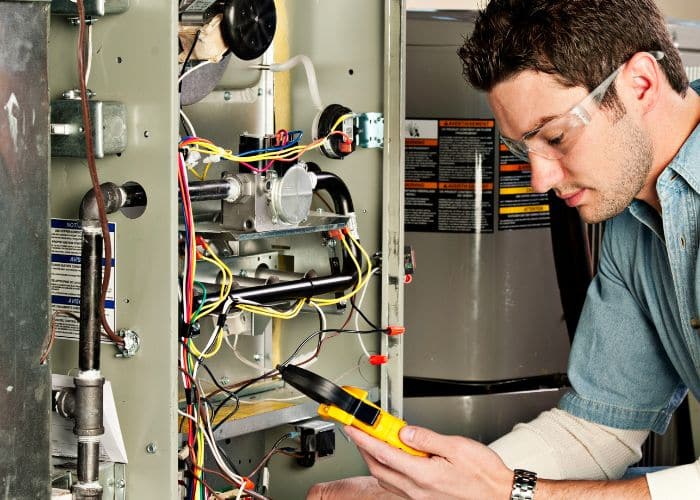
While there are some minor costs associated with scheduling a professional furnace tune-up, the benefits far outweigh any negatives. Tune-ups can improve the efficiency of your furnace, leading to lower energy bills; they can improve indoor air quality and increase comfort levels in your home; and they can identify potential problems before they cause major damage (and major expenses). So if you haven’t had your furnace serviced in awhile, now is the time to do it!

What Temperature Should I Set My Thermostat?

HVAC Sacramento CA

What Temperature Should I Set My Thermostat?

Proper Home Temperature: How to Set Your Thermostat

HVAC Sacramento CA

Living in a comfortable home is key to a happy life. But what defines “comfortable”? The answer is different for everyone, which makes it difficult to please everyone in the household all the time. However, there are some general tips and tricks you can follow to make sure your home is at a temperature that suits everyone’s needs.

What’s the Ideal Temperature?

There is no definitive answer to this question. In the summer, the ideal temperature is usually lower than in the winter. This is because our bodies are more comfortable when it is cooler outside and we don’t need as much heat to feel comfortable inside. However, what feels cool to one person may feel cold to another, so it is important to find a temperature that works for everyone in the house.

At Love & Care Heating and Air, we do believe that setting your thermostat to 78 degrees Fahrenheit in the summer and 68 degrees Fahrenheit in the winter should be comfortable for most people. If you have young children or elderly family members living with you, you may want to set the temperature a few degrees higher or lower, respectively.

Another factor to consider is humidity. If your home is very humid, you may want to set the temperature a few degrees lower than usual because our bodies cool off more quickly when there is less moisture in the air. On the other hand, if your home tends to be on the dry side, you may want to set the temperature a few degrees higher than usual because our bodies have a harder time cooling down when the air is dry.

How Do I Save Money on My Energy Bills?

No matter what time of year it is, there are always ways to save money on your energy bills. One way to do this is by making sure your thermostat is set properly. Another way to save money is by investing in energy-efficient appliances and light bulbs. These items may cost more money upfront, but they will save you money in the long run by using less energy. There are also many tax credits available for people who make energy-efficient upgrades to their homes, so be sure to do your research before making any major purchases!

Contact Us Today!

Living in a comfortable home doesn’t have to be expensive. By following these tips, you can find a temperature that works for everyone in your household and make energy-efficient choices that will save you money in the long run.If you have any questions about how to make your home more comfortable or how to save money on your energy bills, please contact us today! We would be happy to help!

5 Causes of Weak Air Flow in a Home

HVAC Sacramento

5 Causes of Weak Air Flow in a Home

5 Reasons Why You Have Weak Airflow In Your Home

HVAC Sacramento

Do you have weak airflow in your home? If so, you’re not alone. In fact, it’s a pretty common problem that can be caused by a variety of factors. Here are five of the most common reasons for weak airflow in a home:

Dirty Air Filters

One of the most common reasons for weak airflow in a home is dirty air filters. When air filters are clogged with dirt and dust, they restrict airflow and make it harder for your furnace or air conditioner to do its job. To fix this problem, simply replace your air filters on a regular basis.

Closed vents

Another common reason for weak airflow is closed vents. If you have rooms in your house that you don’t use very often, you may be tempted to close the vents in those rooms to save energy. However, this can actually reduce the overall airflow in your house and make it harder to keep the temperature consistent from room to room. So, if you have closed vents, open them up and see if that makes a difference.

Leaky Ductwork

Another possible reason for weak airflow is leaky ductwork. If your ductwork is not properly sealed, air can leak out, which reduces the amount of airflow that makes it to your rooms. To fix this problem, you’ll need to hire a professional to repair or replace your ductwork.

Poor Insulation

Poor insulation is another possible cause of weak airflow. If heat or cool air is escaping through your walls or ceilings, it can reduce the overall airflow in your house. To fix this problem, add more insulation to your walls and ceilings.

Blocked Registers

Lastly, blocked registers can also cause weak airflow. If furniture or other objects are blocking your registers, it will restrict the amount of airflow that can get into your room. So, if you have blocked registers, move the furniture and objects out of the way so that they’re no longer blocking the airflow.

Contact Us Today!

There are a number of possible reasons why you may have weak airflow in your home. The good news is that there are also a number of potential solutions to this problem. So, if you have weak Airflow In Your Home, dirty air filters, closed vents, leaky ductwork, poor insulation, or blocked registers, take action to fix the problem and improve the airflow in your home today! Contact Love & Care Heating and Air today for help!